


The world of trading is filled with terms and concepts that can be overwhelming for newcomers. One such concept, mitigation blocks, plays a crucial role in understanding price movements and crafting winning strategies. This guide breaks down the basics of mitigation blocks and explains how to use them to enhance your trading game.
What Are Mitigation Blocks?
A mitigation block is a price level where an accumulation of orders halts the price from reaching new highs or lows. Think of it as a barrier or obstacle preventing the market from moving in a specific direction. These blocks are formed when strong buying or selling pressure temporarily dominates, creating a pause in price momentum.
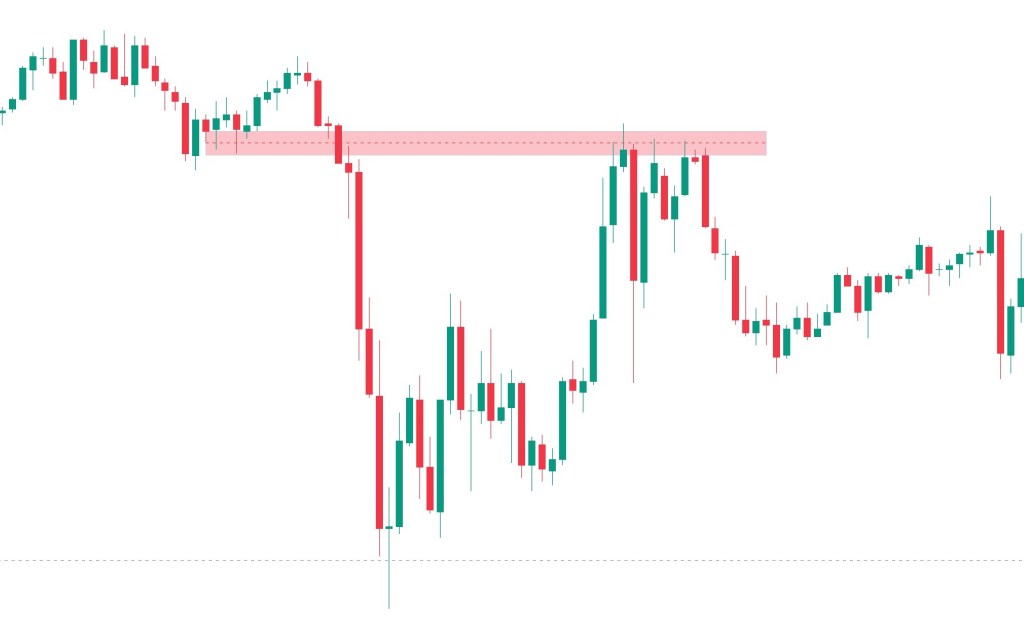
How Mitigation Blocks Are Formed
Mitigation blocks appear when the market attempts to break through to a new price level but is stopped by significant pressure in the opposite direction. This creates a temporary barrier that traders use as a reference point for future movements.
For instance:
- Bullish Mitigation Block: Occurs when the price tries to move lower but is halted, forming a higher low. This suggests potential upward momentum.
- Bearish Mitigation Block: Forms when the price tries to move higher but is blocked, creating a lower high. This signals increased selling pressure.
The Role of Liquidity Voids
A liquidity void is an area where trading is thin, allowing prices to move rapidly. After a mitigation block forms, prices often leave a liquidity void as they move away from the block. These voids are significant because markets tend to revisit them to “fill the gap,” providing critical insights for traders.
Why Mitigation Blocks Matter
Mitigation blocks act as markers of significant price levels. When prices return to these areas to fill liquidity voids, it signals opportunities for traders to enter or exit positions. Recognizing these moments is key to improving your trade timing and profitability.
Comparing Mitigation Blocks and Breakers
While mitigation blocks signal a pause or reversal in price movement, breakers show momentum:
- Breakers: Represent strong price moves that create new highs or lows.
- Mitigation Blocks: Highlight price hesitation or reversal points.
Both concepts are essential for traders to understand market dynamics and predict future price movements.
How to Trade Using Mitigation Blocks
Bullish Mitigation Blocks
- Find a higher low that signals buying pressure.
- Watch for the price to return to the liquidity void left behind.
- Enter a buy position if the price reaches a previous low, anticipating an upward trend.
Bearish Mitigation Blocks
- Spot a lower high that indicates selling pressure.
- Look for the price to revisit and fill the liquidity void.
- Enter a sell position if the price reaches a prior high, expecting continued downward momentum.
Practical Trading Strategies
To use mitigation blocks effectively:
- Combine them with other tools like order flow analysis, fair value gaps, and support/resistance levels.
- Look for confluences—multiple signals aligning—to increase the likelihood of successful trades.
- Observe the market closely and be ready to adapt to changing conditions.
Tools and Resources for Beginners
To master mitigation blocks, leverage these tools:
- Trading Platforms: Use platforms with advanced analytics to spot mitigation blocks and liquidity voids.
- Economic Calendars: Stay updated on market-moving events.
- Educational Resources: Learn from online courses, videos, and articles.
- Community Platforms: Join trading communities to exchange ideas and insights.
Steps to Implement Mitigation Blocks in Your Trading
- Find Risks: Understand the risks associated with using mitigation blocks, such as false signals.
- Develop a Plan: Incorporate mitigation blocks into your trading strategy alongside other technical indicators.
- Execute and Watch: Enter trades based on identified blocks and watch the market closely.
- Review Performance: Analyze your results and refine your approach over time.
Mitigation blocks are a powerful tool for understanding market behavior and making informed trading decisions. By identifying these key price levels and incorporating them into your strategy, you can enhance your ability to predict price movements and increase your trading success. For beginners, mastering this concept is a step toward becoming a more confident and effective trader.
Start practicing today, and watch as this foundational knowledge transforms your trading journey. Happy trading!dational knowledge transforms your trading journey. Happy trading!


 Arctic Wolf Trading
Leave a comment